
The Step-by-Step Implant Process Explained

Many patients feel nervous about dental implants simply because the process feels unfamiliar. Breaking treatment into clear stages removes much of that uncertainty. Understanding what happens at each step helps patients feel prepared and confident moving forward. Here is a straightforward look at how treatment typically unfolds from start to finish.
Breaking Down the Treatment Timeline

Curious what actually happens during dental implant treatment? Patients considering dental implants Raleigh NC often find comfort once they understand the full process. Here is how it typically unfolds.

The Initial Consultation and Planning

Treatment begins with a thorough exam and imaging to assess bone density and plan implant placement precisely. Your dentist reviews medical history and discusses goals during this visit. Three dimensional scans show details standard X-rays cannot capture, mapping nerve locations and bone structure accurately. This planning stage shapes the entire treatment path. Taking time here prevents complications later and ensures the most predictable outcome possible.

Implant Placement Surgery

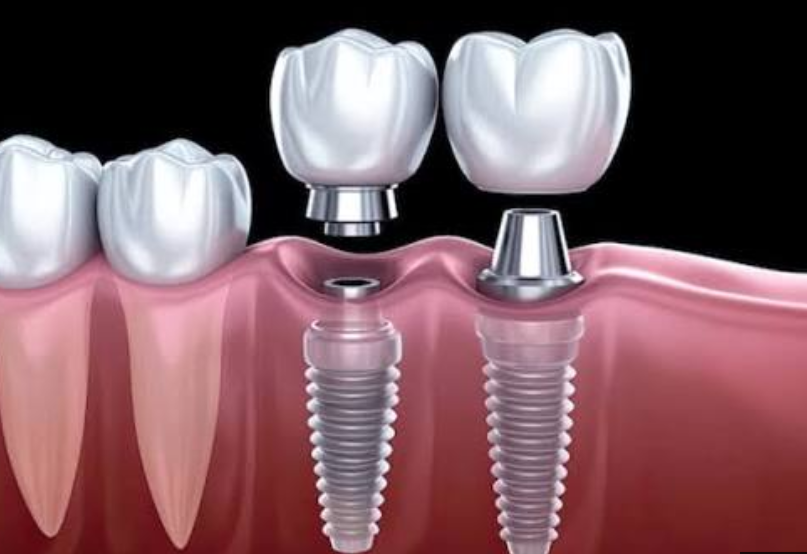
Once planning finishes, the dentist places a titanium post into the jawbone during a straightforward surgical procedure. Local anesthesia keeps patients comfortable throughout. Many describe this step as similar to a tooth extraction in terms of discomfort. The procedure itself typically takes less time than patients expect. Afterward, temporary measures sometimes protect the area while healing begins beneath the surface over the following months.

The Healing and Integration Period

Following placement, the jawbone needs time to fuse naturally around the implant through a process called osseointegration. This typically takes several months to complete fully. Patients continue normal activities during this period, with some temporary dietary adjustments recommended. Though it requires patience, this healing phase creates the stable foundation that makes implants function so reliably once treatment finishes completely.

Attaching the Abutment

Once healing completes, a small connector piece called an abutment attaches to the implant. This minor procedure typically requires only local anesthesia and causes minimal discomfort. The abutment serves as the attachment point for the final replacement tooth. Some treatment plans place this piece during the initial surgery, while others add it afterward. Your dentist determines the best approach based on your specific healing progress.

Placing the Final Restoration

The last step involves attaching a custom crafted crown designed to match your surrounding teeth. Your dentist takes impressions to ensure proper fit, color, and function. Once attached, the restoration looks and functions like a natural tooth. This final stage completes the transformation patients have been waiting months to see. Most people describe this moment as genuinely rewarding after the full treatment journey.

Conclusion: Breaking Down the Treatment Timeline

Understanding each stage of implant treatment helps patients feel prepared and less anxious about the process. From initial consultation through final restoration, each step builds toward a lasting, natural looking result. Patience during healing pays off significantly once treatment completes. Knowing what to expect removes uncertainty and helps patients approach treatment with realistic, confident expectations.
Where Controls Integration Makes the Biggest Impact

Automation needs look different depending on the industry involved. A food processing plant faces different challenges than an automotive assembly line or a distribution center. Understanding how controls integration applies across various sectors helps business owners see potential applications specific to their own operations. Here is a look at how this expertise serves different industries.

Applications Across Different Industries

Curious how controls integration applies to industries beyond typical manufacturing settings? A versatile controls integrator works across many sectors, adapting solutions to specific operational needs. Here is where this expertise proves most valuable.

Food and Beverage Processing

This industry faces strict hygiene and safety regulations alongside high volume production demands. Control systems here often require washdown rated components that withstand frequent cleaning cycles. Precise temperature and timing control also matters significantly for product consistency and safety compliance. Integrators familiar with food industry requirements understand these unique challenges, helping facilities maintain both efficiency and regulatory compliance throughout their production process.

Automotive and Heavy Manufacturing

Assembly lines in this sector rely heavily on precise timing and coordination between multiple automated stations. Robotics often play a significant role alongside traditional control systems. Downtime in this environment carries substantial financial impact given the scale of production involved. Integrators serving this industry typically bring experience with complex, multi station coordination and the high reliability standards these demanding production environments consistently require.

Water and Wastewater Treatment

Municipal and industrial treatment facilities depend on continuous, reliable operation around the clock. Control systems here monitor chemical levels, flow rates, and equipment status constantly. Any failure carries serious public health and environmental implications. Integrators working in this space understand the critical nature of uninterrupted operation and often build redundancy into system designs specifically to prevent failures affecting public safety.

Pharmaceutical and Medical Manufacturing

This industry operates under some of the strictest regulatory oversight of any manufacturing sector. Documentation and validation requirements shape how control systems get designed and implemented. Precision matters enormously, since even small deviations can affect product safety and effectiveness. Integrators serving this space need thorough understanding of compliance requirements alongside strong technical capabilities to meet these demanding standards consistently.

Distribution and Warehousing Operations

Modern distribution centers rely on integrated systems coordinating everything from receiving to shipping. Speed and accuracy matter significantly given the volume many facilities process daily. Integration here often involves connecting physical automation with software tracking inventory in real time. Facilities in this sector benefit from integrators experienced in balancing throughput demands with the flexibility needed for changing order volumes.

Conclusion: Applications Across Different Industries

Controls integration serves a wide range of industries, each bringing distinct challenges and requirements. From food safety compliance to pharmaceutical precision, the underlying expertise adapts to specific sector needs. Understanding these varied applications helps business owners recognize how this technology might serve their own specific operational challenges effectively across their unique industry setting.