
The Step-by-Step Implant Process Explained

Many patients feel nervous about dental implants simply because the process feels unfamiliar. Breaking treatment into clear stages removes much of that uncertainty. Understanding what happens at each step helps patients feel prepared and confident moving forward. Here is a straightforward look at how treatment typically unfolds from start to finish.
Breaking Down the Treatment Timeline

Curious what actually happens during dental implant treatment? Patients considering dental implants Raleigh NC often find comfort once they understand the full process. Here is how it typically unfolds.

The Initial Consultation and Planning

Treatment begins with a thorough exam and imaging to assess bone density and plan implant placement precisely. Your dentist reviews medical history and discusses goals during this visit. Three dimensional scans show details standard X-rays cannot capture, mapping nerve locations and bone structure accurately. This planning stage shapes the entire treatment path. Taking time here prevents complications later and ensures the most predictable outcome possible.

Implant Placement Surgery

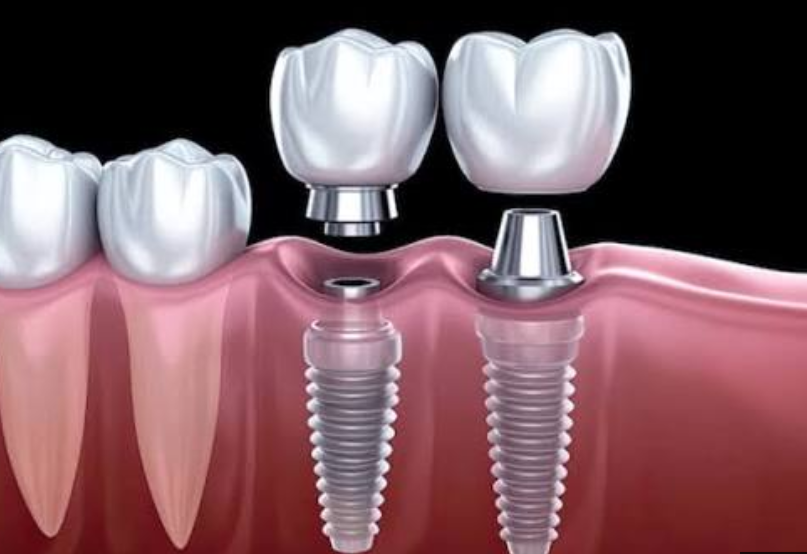
Once planning finishes, the dentist places a titanium post into the jawbone during a straightforward surgical procedure. Local anesthesia keeps patients comfortable throughout. Many describe this step as similar to a tooth extraction in terms of discomfort. The procedure itself typically takes less time than patients expect. Afterward, temporary measures sometimes protect the area while healing begins beneath the surface over the following months.

The Healing and Integration Period

Following placement, the jawbone needs time to fuse naturally around the implant through a process called osseointegration. This typically takes several months to complete fully. Patients continue normal activities during this period, with some temporary dietary adjustments recommended. Though it requires patience, this healing phase creates the stable foundation that makes implants function so reliably once treatment finishes completely.

Attaching the Abutment

Once healing completes, a small connector piece called an abutment attaches to the implant. This minor procedure typically requires only local anesthesia and causes minimal discomfort. The abutment serves as the attachment point for the final replacement tooth. Some treatment plans place this piece during the initial surgery, while others add it afterward. Your dentist determines the best approach based on your specific healing progress.

Placing the Final Restoration

The last step involves attaching a custom crafted crown designed to match your surrounding teeth. Your dentist takes impressions to ensure proper fit, color, and function. Once attached, the restoration looks and functions like a natural tooth. This final stage completes the transformation patients have been waiting months to see. Most people describe this moment as genuinely rewarding after the full treatment journey.

Conclusion: Breaking Down the Treatment Timeline

Understanding each stage of implant treatment helps patients feel prepared and less anxious about the process. From initial consultation through final restoration, each step builds toward a lasting, natural looking result. Patience during healing pays off significantly once treatment completes. Knowing what to expect removes uncertainty and helps patients approach treatment with realistic, confident expectations.

Preparing Your Kids for Their First Dentist Appointment 

Taking your child to the dentist for the first time is a big step in establishing healthy habits early. Although it might seem intimidating, with the right approach, the experience can be smooth—and even fun. Kids who feel comfortable at the dentist from an early age are more likely to develop lifelong positive attitudes toward dental care.  

How to Prepare Your Kids for Dentist Appointments 

Here’s how you can help make their first dentist Raleigh NC visit a success. 

Start Talking About the Dentist Early 

Start the conversation well before the appointment. Use simple, positive language to explain what the dentist does, like counting teeth, taking pictures (X-rays), and cleaning gently. Avoid using scary words like “pain,” “shot,” or “drill.” Instead, say things like, “The dentist helps keep your smile strong and healthy.” 

You can also read children’s books or watch cartoons about visiting the dentist to help them feel more familiar with the idea. 

Choose a Pediatric Dentist 

A pediatric dentist specializes in treating kids and knows exactly how to make young patients feel comfortable. Their offices are usually bright, welcoming, and filled with kid-friendly decor, toys, and movies. More importantly, pediatric dentists and their staff are trained to explain procedures in ways that children can understand without fear. 

This environment goes a long way in helping children feel at ease during their first visit. 

Schedule Wisely 

Timing matters, especially for young children. Try to schedule the appointment when your child is well-rested and not hungry—usually in the morning or right after a nap. Avoid times when they’re likely to be cranky, such as close to mealtimes or bedtime. 

By picking the right time, you help set the stage for a smoother experience for both your child and the dental team. 

Practice at Home 

Before the big day, play pretend dentist at home. Have your child lie back in a chair while you count their teeth with a toothbrush. Take turns being the dentist and the patient. This playful approach helps normalize the experience and builds trust. 

You can also have them practice opening their mouth wide in front of a mirror, just like they’ll do in the dental chair. 

Be Calm and Supportive 

Children pick up on your emotions, so staying calm and upbeat is important. Avoid sharing any negative dental experiences you’ve had. During the appointment, stay close and offer reassuring words. Let the dentist and hygienist lead, but step in with comfort if your child seems uneasy. 

Praising your child for their bravery and cooperation afterward reinforces a positive memory and makes them more willing to go next time. 

Conclusion: How to Prepare Your Kids for Dentist Appointments 

Your child’s first dental visit sets the tone for how they’ll view dental care in the future. With the right preparation, a kid-friendly dentist, and your support, you can help make the experience enjoyable and stress-free. Remember, the goal isn’t just a clean mouth—it’s building habits and confidence that last a lifetime. So, smile big, stay positive, and celebrate this important milestone together! 

Why Skipping the Dentist Always Costs More Than Going

Avoiding the dentist is one of those habits that feels harmless in the short term and reveals its true cost gradually over time. A missed cleaning here, a postponed checkup there, and suddenly a small cavity that could have been caught and filled in minutes has quietly developed into a root canal, a crown, or worse. The math on preventive dental care almost always favors showing up consistently.

The Long-Term Price of Putting Off Routine Dental Care

Dental problems rarely stay small when left unattended, and the gap between what preventive care costs and what restorative treatment costs is significant enough to change how most people think about skipping appointments. Patients who have made consistent visits a priority with trusted dentists Pittsburgh understand that showing up regularly is not just good for their smile. It is one of the smartest financial and health decisions they make all year. Here is why that perspective holds up under scrutiny.

Small Problems Caught Early Are Dramatically Cheaper to Fix

First and foremost, the core value of routine dental care lies in its ability to identify and address problems at the stage when treatment is still simple and affordable. A cavity detected at an early cleaning requires a straightforward filling. That same cavity left undetected for another year may reach the pulp of the tooth and require a root canal followed by a crown, multiplying the cost several times over. 

Oral Health Screenings Detect More Than Dental Problems

Furthermore, routine dental visits include screenings that extend well beyond the condition of your teeth and gums. Dentists regularly identify early signs of oral cancer, diabetes, vitamin deficiencies, and other systemic health conditions during standard examinations. These incidental discoveries have genuine life-saving potential for patients who might otherwise go months longer without knowing something serious was developing. 

Gum Disease Progresses Rapidly Without Professional Intervention

Another compelling reason to maintain consistent dental visits is the speed at which gum disease can advance without professional monitoring and cleaning. Plaque hardens into tartar within days and accumulates in areas that brushing and flossing cannot adequately reach. Without regular professional removal, this buildup drives the progression of periodontal disease that leads to bone loss, tooth loss, and documented connections to serious systemic health conditions. 

Consistent Care Builds a Dental History That Protects You

Finally, patients who visit their dentist regularly benefit from something that irregular visitors simply do not have access to: a detailed, ongoing record of their oral health that makes changes and developing issues far easier to detect. When a dentist has years of X-rays, examination notes, and treatment history to reference, subtle shifts that might otherwise go unnoticed become visible patterns that prompt timely action. That continuity of care is only possible when patients show up consistently and give their dental team the information needed to protect their long-term health.

Conclusion: The Long-Term Price of Putting Off Routine Dental Care

To wrap it all up, the case for consistent dental visits is built on straightforward logic that becomes undeniable once the numbers and health outcomes are laid side by side. Preventive care is faster, less invasive, and far less expensive than the restorative treatment it replaces when problems are caught early. Beyond the financial argument, regular dental visits protect your overall health in ways that extend well beyond your smile. Make the appointment, keep it, and let consistency do what it does best.