The Step-by-Step Implant Process Explained

Many patients feel nervous about dental implants simply because the process feels unfamiliar. Breaking treatment into clear stages removes much of that uncertainty. Understanding what happens at each step helps patients feel prepared and confident moving forward. Here is a straightforward look at how treatment typically unfolds from start to finish.
Breaking Down the Treatment Timeline

Curious what actually happens during dental implant treatment? Patients considering dental implants Raleigh NC often find comfort once they understand the full process. Here is how it typically unfolds.

The Initial Consultation and Planning

Treatment begins with a thorough exam and imaging to assess bone density and plan implant placement precisely. Your dentist reviews medical history and discusses goals during this visit. Three dimensional scans show details standard X-rays cannot capture, mapping nerve locations and bone structure accurately. This planning stage shapes the entire treatment path. Taking time here prevents complications later and ensures the most predictable outcome possible.

Implant Placement Surgery

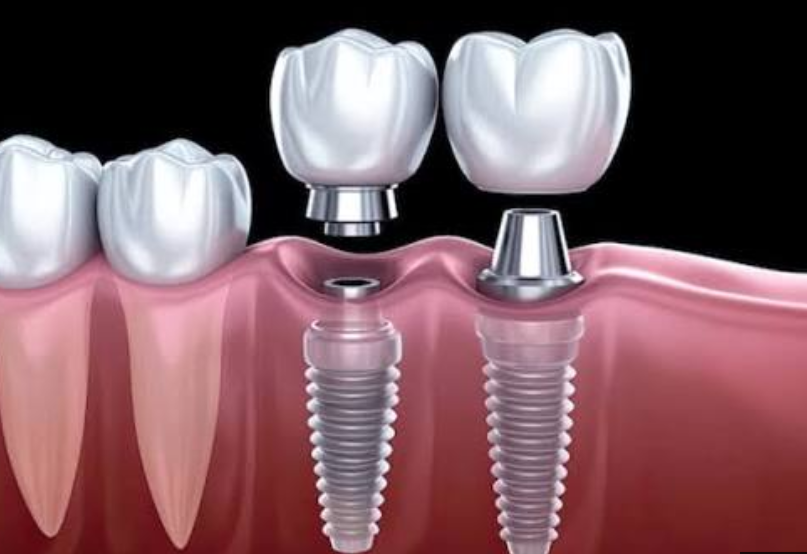
Once planning finishes, the dentist places a titanium post into the jawbone during a straightforward surgical procedure. Local anesthesia keeps patients comfortable throughout. Many describe this step as similar to a tooth extraction in terms of discomfort. The procedure itself typically takes less time than patients expect. Afterward, temporary measures sometimes protect the area while healing begins beneath the surface over the following months.

The Healing and Integration Period

Following placement, the jawbone needs time to fuse naturally around the implant through a process called osseointegration. This typically takes several months to complete fully. Patients continue normal activities during this period, with some temporary dietary adjustments recommended. Though it requires patience, this healing phase creates the stable foundation that makes implants function so reliably once treatment finishes completely.

Attaching the Abutment

Once healing completes, a small connector piece called an abutment attaches to the implant. This minor procedure typically requires only local anesthesia and causes minimal discomfort. The abutment serves as the attachment point for the final replacement tooth. Some treatment plans place this piece during the initial surgery, while others add it afterward. Your dentist determines the best approach based on your specific healing progress.

Placing the Final Restoration

The last step involves attaching a custom crafted crown designed to match your surrounding teeth. Your dentist takes impressions to ensure proper fit, color, and function. Once attached, the restoration looks and functions like a natural tooth. This final stage completes the transformation patients have been waiting months to see. Most people describe this moment as genuinely rewarding after the full treatment journey.

Conclusion: Breaking Down the Treatment Timeline

Understanding each stage of implant treatment helps patients feel prepared and less anxious about the process. From initial consultation through final restoration, each step builds toward a lasting, natural looking result. Patience during healing pays off significantly once treatment completes. Knowing what to expect removes uncertainty and helps patients approach treatment with realistic, confident expectations.


Where Controls Integration Makes the Biggest Impact

Automation needs look different depending on the industry involved. A food processing plant faces different challenges than an automotive assembly line or a distribution center. Understanding how controls integration applies across various sectors helps business owners see potential applications specific to their own operations. Here is a look at how this expertise serves different industries.

Applications Across Different Industries

Curious how controls integration applies to industries beyond typical manufacturing settings? A versatile controls integrator works across many sectors, adapting solutions to specific operational needs. Here is where this expertise proves most valuable.

Food and Beverage Processing

This industry faces strict hygiene and safety regulations alongside high volume production demands. Control systems here often require washdown rated components that withstand frequent cleaning cycles. Precise temperature and timing control also matters significantly for product consistency and safety compliance. Integrators familiar with food industry requirements understand these unique challenges, helping facilities maintain both efficiency and regulatory compliance throughout their production process.

Automotive and Heavy Manufacturing

Assembly lines in this sector rely heavily on precise timing and coordination between multiple automated stations. Robotics often play a significant role alongside traditional control systems. Downtime in this environment carries substantial financial impact given the scale of production involved. Integrators serving this industry typically bring experience with complex, multi station coordination and the high reliability standards these demanding production environments consistently require.

Water and Wastewater Treatment

Municipal and industrial treatment facilities depend on continuous, reliable operation around the clock. Control systems here monitor chemical levels, flow rates, and equipment status constantly. Any failure carries serious public health and environmental implications. Integrators working in this space understand the critical nature of uninterrupted operation and often build redundancy into system designs specifically to prevent failures affecting public safety.

Pharmaceutical and Medical Manufacturing

This industry operates under some of the strictest regulatory oversight of any manufacturing sector. Documentation and validation requirements shape how control systems get designed and implemented. Precision matters enormously, since even small deviations can affect product safety and effectiveness. Integrators serving this space need thorough understanding of compliance requirements alongside strong technical capabilities to meet these demanding standards consistently.

Distribution and Warehousing Operations

Modern distribution centers rely on integrated systems coordinating everything from receiving to shipping. Speed and accuracy matter significantly given the volume many facilities process daily. Integration here often involves connecting physical automation with software tracking inventory in real time. Facilities in this sector benefit from integrators experienced in balancing throughput demands with the flexibility needed for changing order volumes.

Conclusion: Applications Across Different Industries

Controls integration serves a wide range of industries, each bringing distinct challenges and requirements. From food safety compliance to pharmaceutical precision, the underlying expertise adapts to specific sector needs. Understanding these varied applications helps business owners recognize how this technology might serve their own specific operational challenges effectively across their unique industry setting.

Why Building a Custom Home Delivers What No Existing Property Can

Buying an existing home means accepting a long list of someone else’s decisions. The floor plan, the finishes, the layout, the orientation on the lot, the size of the rooms, and the flow between spaces were all determined by a builder or previous owner whose priorities had nothing to do with how you actually live. A custom home starts from a completely different premise, and that difference shapes every aspect of the experience and the finished result.

Your Home Should Reflect How You Actually Live

No two households use a home in exactly the same way, and no existing floor plan perfectly matches every family’s priority. Homeowners who refuse to compromise on what matters most to them work with dedicated custom home builders Atlanta area professionals who translate a personal vision into a finished home designed entirely around the people who will live in it.

The Design Phase Is Where Everything Important Happens

To begin with, the most consequential work in a custom home project takes place on paper long before any ground is broken. The design phase is where room relationships are established, traffic flow is considered, natural light is optimized, storage needs are addressed, and the countless decisions that determine how a home feels to live in are made deliberately rather than inherited from a speculative builder’s assumptions about what buyers want. 

Material and Finish Selection Creates a Home That Is Genuinely Yours

Furthermore, one of the most meaningful distinctions between a custom home and a production build is the degree of control the homeowner exercises over every material and finish that goes into the house. Flooring species and grade, cabinet construction and hardware, countertop material and profile, tile selection, fixture quality, exterior cladding, roofing material, and window specifications are all decisions that a custom homeowner makes based on personal preference, lifestyle requirements, and long-term value rather than a builder’s cost optimization model. 

Structural and Systems Decisions Have Decades of Consequence

Another dimension of custom home building that deserves serious attention during the planning process is the selection of structural approaches and mechanical systems that will define the home’s performance and operating costs for its entire service life. Insulation strategy, window performance ratings, HVAC system design, electrical capacity planning, and framing choices all have implications that extend across decades of ownership. A custom builder with genuine technical depth helps clients make these decisions with a full understanding of the long-term consequences rather than defaulting to minimum code compliance and leaving performance optimization on the table in the interest of keeping initial costs down.

The Builder Relationship Shapes the Entire Experience

Finally, building a custom home is an extended collaborative process that unfolds across many months and involves hundreds of decisions, adjustments, and conversations between the homeowner and the building team. The quality of that relationship, including how well the builder communicates, how transparently they manage budget and timeline, how receptively they respond to client input, and how proactively they surface and resolve the complications that inevitably arise during any custom build, determines whether the experience is genuinely rewarding or persistently stressful. 

Conclusion: Your Home Should Reflect How You Actually Live

To wrap it all up, a custom home delivers something no existing property can match: a living environment designed from the ground up around the specific needs, preferences, and priorities of the people who will call it home. Thoughtful design, personal material selection, informed systems decisions, and a builder relationship built on trust and transparent communication are the ingredients that turn a building project into a finished home worth every moment of the process it took to create it. 

How the Cleanliness of Your Business Space Speaks Before You Do

Every business spends time and money crafting a brand, training staff, and delivering a quality product or service. Yet one of the most immediate and powerful impressions a customer forms has nothing to do with any of those things. It forms the moment they walk through the door and take in the state of the space around them. Cleanliness communicates volumes before a single transaction takes place.

What Your Commercial Space Says About Your Business to Every Customer Who Walks In

Customers are perceptive, and the condition of a commercial space shapes their confidence in a business in ways that are difficult to overcome once the impression is set. Business owners who have invested in professional commercial cleaning service Pittsburgh understand that the appearance of their space is not a background detail. It is an active part of the customer experience. Here is why that distinction matters more than most business owners realize.

Customers Associate Cleanliness with Quality and Trustworthiness

First and foremost, the human tendency to draw conclusions from environmental cues is deeply ingrained. A spotless showroom, a gleaming retail floor, or a well-maintained waiting area tells customers that the business takes pride in what it does and pays attention to details. Conversely, visible grime, dusty shelves, or neglected restrooms trigger doubt about the quality of the product or service being offered, regardless of how good that product or service actually is. The physical environment functions as a silent endorsement or a quiet warning that customers absorb instantly and unconsciously.

Restroom Cleanliness Has an Outsized Impact on Customer Perception

Furthermore, few areas of a commercial space carry more weight in the minds of customers than the restroom. Studies on consumer behavior consistently show that restroom cleanliness is one of the top factors influencing whether a customer returns to a business and whether they recommend it to others. A neglected restroom signals a lack of care that customers automatically extend to their perception of the entire operation. Professional cleaning services ensure this high-stakes area receives the consistent, thorough attention it demands every single day.

A Clean Environment Encourages Customers to Stay Longer and Spend More

Another dimension of commercial cleanliness that business owners often underestimate is its direct influence on customer behavior within the space. Retail research has shown repeatedly that customers spend more time and more money in environments that feel clean, organized, and well-maintained. A pleasant physical environment lowers the subconscious friction that makes people want to leave quickly and creates the kind of relaxed, positive atmosphere where purchasing decisions happen more naturally and more frequently.

Conclusion: What Your Commercial Space Says About Your Business to Every Customer Who Walks In

To wrap it all up, the cleanliness of your commercial space is not a housekeeping matter separate from your brand. It is part of your brand, shaping customer perception, influencing purchasing behavior, and contributing directly to the reputation your business carries in the community. Professional commercial cleaning is the most reliable way to ensure that the first impression your space makes is always one that works in your favor. Give your customers every reason to trust you from the moment they arrive.

Preparing Your Kids for Their First Dentist Appointment 

Taking your child to the dentist for the first time is a big step in establishing healthy habits early. Although it might seem intimidating, with the right approach, the experience can be smooth—and even fun. Kids who feel comfortable at the dentist from an early age are more likely to develop lifelong positive attitudes toward dental care.  

How to Prepare Your Kids for Dentist Appointments 

Here’s how you can help make their first dentist Raleigh NC visit a success. 

Start Talking About the Dentist Early 

Start the conversation well before the appointment. Use simple, positive language to explain what the dentist does, like counting teeth, taking pictures (X-rays), and cleaning gently. Avoid using scary words like “pain,” “shot,” or “drill.” Instead, say things like, “The dentist helps keep your smile strong and healthy.” 

You can also read children’s books or watch cartoons about visiting the dentist to help them feel more familiar with the idea. 

Choose a Pediatric Dentist 

A pediatric dentist specializes in treating kids and knows exactly how to make young patients feel comfortable. Their offices are usually bright, welcoming, and filled with kid-friendly decor, toys, and movies. More importantly, pediatric dentists and their staff are trained to explain procedures in ways that children can understand without fear. 

This environment goes a long way in helping children feel at ease during their first visit. 

Schedule Wisely 

Timing matters, especially for young children. Try to schedule the appointment when your child is well-rested and not hungry—usually in the morning or right after a nap. Avoid times when they’re likely to be cranky, such as close to mealtimes or bedtime. 

By picking the right time, you help set the stage for a smoother experience for both your child and the dental team. 

Practice at Home 

Before the big day, play pretend dentist at home. Have your child lie back in a chair while you count their teeth with a toothbrush. Take turns being the dentist and the patient. This playful approach helps normalize the experience and builds trust. 

You can also have them practice opening their mouth wide in front of a mirror, just like they’ll do in the dental chair. 

Be Calm and Supportive 

Children pick up on your emotions, so staying calm and upbeat is important. Avoid sharing any negative dental experiences you’ve had. During the appointment, stay close and offer reassuring words. Let the dentist and hygienist lead, but step in with comfort if your child seems uneasy. 

Praising your child for their bravery and cooperation afterward reinforces a positive memory and makes them more willing to go next time. 

Conclusion: How to Prepare Your Kids for Dentist Appointments 

Your child’s first dental visit sets the tone for how they’ll view dental care in the future. With the right preparation, a kid-friendly dentist, and your support, you can help make the experience enjoyable and stress-free. Remember, the goal isn’t just a clean mouth—it’s building habits and confidence that last a lifetime. So, smile big, stay positive, and celebrate this important milestone together!