
Buying an existing home means accepting a long list of someone else’s decisions. The floor plan, the finishes, the layout, the orientation on the lot, the size of the rooms, and the flow between spaces were all determined by a builder or previous owner whose priorities had nothing to do with how you actually live. A custom home starts from a completely different premise, and that difference shapes every aspect of the experience and the finished result.
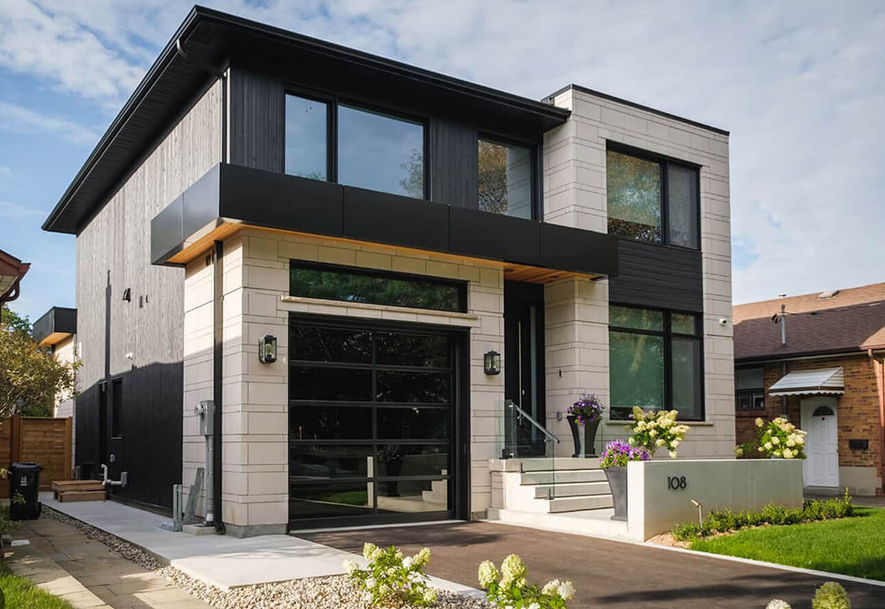
Your Home Should Reflect How You Actually Live
No two households use a home in exactly the same way, and no existing floor plan perfectly matches every family’s priority. Homeowners who refuse to compromise on what matters most to them work with dedicated custom home builders Atlanta area professionals who translate a personal vision into a finished home designed entirely around the people who will live in it.
The Design Phase Is Where Everything Important Happens
To begin with, the most consequential work in a custom home project takes place on paper long before any ground is broken. The design phase is where room relationships are established, traffic flow is considered, natural light is optimized, storage needs are addressed, and the countless decisions that determine how a home feels to live in are made deliberately rather than inherited from a speculative builder’s assumptions about what buyers want.
Material and Finish Selection Creates a Home That Is Genuinely Yours
Furthermore, one of the most meaningful distinctions between a custom home and a production build is the degree of control the homeowner exercises over every material and finish that goes into the house. Flooring species and grade, cabinet construction and hardware, countertop material and profile, tile selection, fixture quality, exterior cladding, roofing material, and window specifications are all decisions that a custom homeowner makes based on personal preference, lifestyle requirements, and long-term value rather than a builder’s cost optimization model.
Structural and Systems Decisions Have Decades of Consequence
Another dimension of custom home building that deserves serious attention during the planning process is the selection of structural approaches and mechanical systems that will define the home’s performance and operating costs for its entire service life. Insulation strategy, window performance ratings, HVAC system design, electrical capacity planning, and framing choices all have implications that extend across decades of ownership. A custom builder with genuine technical depth helps clients make these decisions with a full understanding of the long-term consequences rather than defaulting to minimum code compliance and leaving performance optimization on the table in the interest of keeping initial costs down.
The Builder Relationship Shapes the Entire Experience
Finally, building a custom home is an extended collaborative process that unfolds across many months and involves hundreds of decisions, adjustments, and conversations between the homeowner and the building team. The quality of that relationship, including how well the builder communicates, how transparently they manage budget and timeline, how receptively they respond to client input, and how proactively they surface and resolve the complications that inevitably arise during any custom build, determines whether the experience is genuinely rewarding or persistently stressful.
Conclusion: Your Home Should Reflect How You Actually Live
To wrap it all up, a custom home delivers something no existing property can match: a living environment designed from the ground up around the specific needs, preferences, and priorities of the people who will call it home. Thoughtful design, personal material selection, informed systems decisions, and a builder relationship built on trust and transparent communication are the ingredients that turn a building project into a finished home worth every moment of the process it took to create it.
Recent Comments