
Why Building a Custom Home Delivers What No Existing Property Can

Buying an existing home means accepting a long list of someone else’s decisions. The floor plan, the finishes, the layout, the orientation on the lot, the size of the rooms, and the flow between spaces were all determined by a builder or previous owner whose priorities had nothing to do with how you actually live. A custom home starts from a completely different premise, and that difference shapes every aspect of the experience and the finished result.
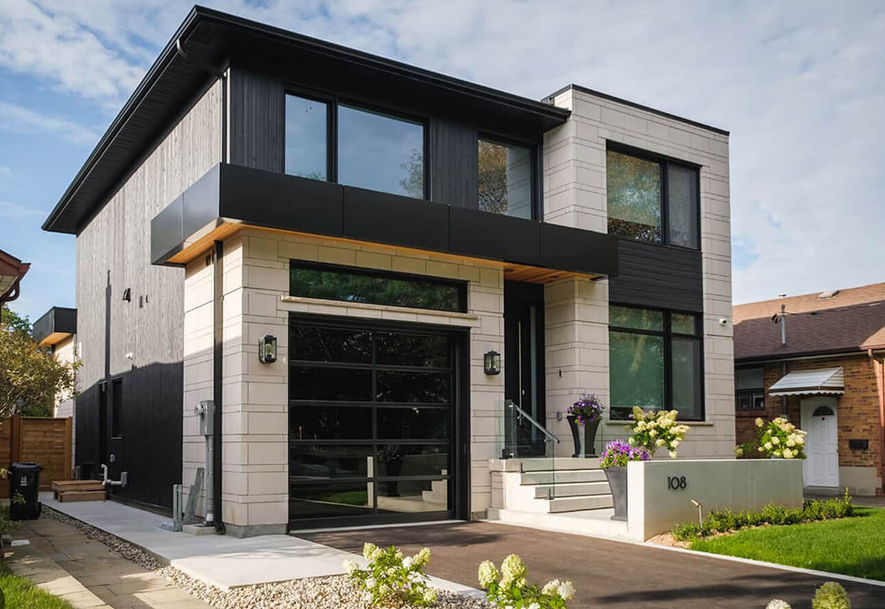
Your Home Should Reflect How You Actually Live

No two households use a home in exactly the same way, and no existing floor plan perfectly matches every family’s priority. Homeowners who refuse to compromise on what matters most to them work with dedicated custom home builders Atlanta area professionals who translate a personal vision into a finished home designed entirely around the people who will live in it.

The Design Phase Is Where Everything Important Happens

To begin with, the most consequential work in a custom home project takes place on paper long before any ground is broken. The design phase is where room relationships are established, traffic flow is considered, natural light is optimized, storage needs are addressed, and the countless decisions that determine how a home feels to live in are made deliberately rather than inherited from a speculative builder’s assumptions about what buyers want. 

Material and Finish Selection Creates a Home That Is Genuinely Yours

Furthermore, one of the most meaningful distinctions between a custom home and a production build is the degree of control the homeowner exercises over every material and finish that goes into the house. Flooring species and grade, cabinet construction and hardware, countertop material and profile, tile selection, fixture quality, exterior cladding, roofing material, and window specifications are all decisions that a custom homeowner makes based on personal preference, lifestyle requirements, and long-term value rather than a builder’s cost optimization model. 

Structural and Systems Decisions Have Decades of Consequence

Another dimension of custom home building that deserves serious attention during the planning process is the selection of structural approaches and mechanical systems that will define the home’s performance and operating costs for its entire service life. Insulation strategy, window performance ratings, HVAC system design, electrical capacity planning, and framing choices all have implications that extend across decades of ownership. A custom builder with genuine technical depth helps clients make these decisions with a full understanding of the long-term consequences rather than defaulting to minimum code compliance and leaving performance optimization on the table in the interest of keeping initial costs down.

The Builder Relationship Shapes the Entire Experience

Finally, building a custom home is an extended collaborative process that unfolds across many months and involves hundreds of decisions, adjustments, and conversations between the homeowner and the building team. The quality of that relationship, including how well the builder communicates, how transparently they manage budget and timeline, how receptively they respond to client input, and how proactively they surface and resolve the complications that inevitably arise during any custom build, determines whether the experience is genuinely rewarding or persistently stressful. 

Conclusion: Your Home Should Reflect How You Actually Live

To wrap it all up, a custom home delivers something no existing property can match: a living environment designed from the ground up around the specific needs, preferences, and priorities of the people who will call it home. Thoughtful design, personal material selection, informed systems decisions, and a builder relationship built on trust and transparent communication are the ingredients that turn a building project into a finished home worth every moment of the process it took to create it. 

What Separates the Top General Contractors from Everyone Else

The title of general contractor is easy to claim but genuinely difficult to earn through consistent, high-quality performance across complex projects. Anyone can manage a straightforward job when everything goes according to plan. The contractors who rise to the top of their field are defined by how they perform when projects get complicated, timelines tighten, and unexpected challenges demand real solutions rather than excuses.

The Qualities That Define the Best General Contractors in the Business

Hiring a general contractor is one of the most consequential decisions a property owner or developer makes, and the gap between an average contractor and a truly exceptional one becomes most visible under pressure. Clients who have worked with the top general contractors in Atlanta know firsthand that superior project outcomes are never accidental. Here is what consistently sets the best apart from the rest.

Exceptional Project Management Keeps Everything Moving

First and foremost, the core function of a general contractor is coordinating multiple moving parts into a coherent, on-schedule project, and this is precisely where average contractors tend to fall short. Top general contractors bring structured project management systems to every job, tracking timelines, sequencing trades in the correct order, and identifying potential bottlenecks before they cause delays. This level of organizational discipline protects the client’s budget, keeps the project on schedule, and reduces the stress that comes with large-scale construction work.

Strong Subcontractor Relationships Determine Execution Quality

Furthermore, a general contractor is only as good as the network of subcontractors they bring to a project. The best contractors in the industry have cultivated long-standing relationships with reliable, skilled tradespeople across every discipline a complex project demand. These relationships are built on mutual respect, consistent work, and a shared commitment to quality that translates directly into better execution on every job. A contractor who relies on whoever is available rather than whoever is best will always struggle to deliver consistent results.

Problem Solving Ability Defines Performance Under Pressure

Another quality that reliably separates top general contractors from their competition is the capacity to solve problems quickly and effectively when the unexpected occurs. Every significant construction or renovation project encounter surprise, whether that means discovering structural issues behind a wall, navigating supply chain delays, or managing design changes mid-project. The best contractors approach these moments with calm, resourceful problem solving rather than finger pointing or costly stalling. Their experience across diverse project types gives them a well-stocked toolkit of solutions that average contractors simply have not developed.

Transparent Reporting Keeps Clients Informed and Confident

Top general contractors understand that their clients are making significant financial and personal investments, and they treat communication as a core professional responsibility rather than an afterthought. Regular progress updates, honest reporting on budget status, and proactive communication about anything that could affect the timeline or scope of work give clients the confidence that their project is in capable hands. This transparency builds trust throughout the project and is a hallmark of contractors who consistently earn repeat business and enthusiastic referrals from satisfied clients.

Conclusion: The Qualities That Define the Best General Contractors in the Business

To sum it all up, the contractors who earn a reputation at the top of their field do so through disciplined project management, carefully cultivated subcontractor networks, sharp problem solving under pressure, and a genuine commitment to keeping clients informed at every stage. These qualities do not develop overnight. They are built through years of delivering on promises across projects of every size and complexity. When the stakes are high and the project matters, these are the standards worth holding every candidate to before making your final decision.